
 SET MENU
 ALACARTE
 SET CHAY
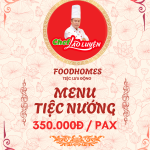 BBQ
BBQ BUFFET
 CHÍNH SÁCH TIỆC
Introduction
The landscape of modern gastronomy continually evolves as culinary innovation intersects with digital media and pop culture. In recent years, we observe a fascinating phenomenon: the creation of highly themed food concepts that transcend traditional cuisine, becoming cultural symbols and social media sensations. Digital creators and food entrepreneurs are pushing boundaries, exploring new expressions of culinary arts that are as much about aesthetics and storytelling as they are about taste.
The Rise of Themed Culinary Experiences in Digital Culture
Globally, food establishments and digital content creators are blending culinary craftsmanship with digital narratives, creating immersive experiences. From pop-up restaurants inspired by sci-fi universes to viral food challenges, the digital age amplifies the reach and influence of innovative concepts. These trends harness the power of visual storytelling, enabling niche ideas to garner dedicated followings. One such intriguing example is the “Chicken Zombie” motif—a creative amalgamation of playful horror aesthetics and comfort food.
Case Study: The Concept of the “Chicken Zombie”
Though initially a niche curiosity, the Chicken Zombie reflects a broader trend in digital culinary culture: transforming familiar ingredients into engaging character-driven narratives. This concept, detailed comprehensively on chickenvszombies.co.uk, exemplifies how branding and storytelling can breathe new life into traditional dishes, turning them into social phenomena.
The “Chicken Zombie” merges culinary art with pop culture humor—delivering visually captivating, grotesque yet humorous images of zombified chickens. Such content does not just aim at aesthetic shock but taps into the meta-humor intrinsic to contemporary meme culture, making it highly shareable across social platforms.
From Viral Content to Culinary Innovation
This shift from mere spectacle to serious culinary experimentation signifies an expanding frontier. Chefs and food artisans are increasingly exploring themed foods to foster community engagement and brand differentiation. These innovations are often driven by digital narratives that emphasize creativity, humor, and cultural critique.
| Factor | Impact | Example |
|---|---|---|
| Visual Appeal | Enhances shareability and audience engagement | The grotesque yet humorous appearance of Chicken Zombies |
| Storytelling | Builds brand identity and community loyalty | Creating backstories for themed dishes |
| Digital Platforms | Accelerates viral dissemination | Instagram, TikTok challenges featuring themed foods |
| Cultural Relevance | Transforming niche interests into mainstream trends | Zombie-themed foods linked to horror fandoms or Halloween |
Expert Perspectives on Culinary Memetics
The integration of pop culture, humor, and culinary craftsmanship is reshaping how food experiences are curated and consumed. Food anthropologists and media theorists are analyzing these phenomena, noting that such themes foster a sense of community through shared jokes and visual aesthetics. Innovations like the “Chicken Zombie” exemplify how digital memetics influence gastronomic expression, where a simple dish becomes a symbol within a cultural meme.
“Creating edible narratives that are visually provocative and humor-laden allows food to occupy a new cultural space—serving as both sustenance and entertainment,” remarks Dr. Eleanor Marsh, Professor of Food Culture at the University of Gastronomic Arts.
Industry Insights: The Future of Themed Food Concepts
As digital audiences grow increasingly sophisticated, themed culinary projects like Chicken Zombies could evolve from viral staples into lasting culinary trends. These concepts have potential beyond internet fame—they could inspire themed restaurants, food art exhibitions, and interactive culinary experiences that blend entertainment with nourishment.
Furthermore, the fusion of storytelling and gastronomy opens new avenues for entrepreneurship, especially in an era where content creation is a viable pathway to brand differentiation. Pioneering chefs and digital creators must recognize that authenticity, creativity, and cultural context are paramount for longevity.
Conclusion
In essence, the journey from traditional cooking to digital-driven culinary artistry underscores a paradigm shift. The “Chicken Zombie” serves as a compelling case of how playful, culturally embedded food concepts can engage audiences and redefine food storytelling. As industry leaders explore these innovative terrains, the future promises a vibrant landscape where food becomes a canvas for creativity, humor, and social connection.
For those interested in exploring the intersection of digital media and culinary art more deeply, the dedicated resource Chicken Zombie offers a vivid example of how such themes are conceptually crafted and visually realized, establishing itself as an authoritative reference point in this emerging niche.



Chia sẻ bài viết: